Continuum Home · connected care
The hospital, at your door.
Quiet instruments, and a desk that already knows your normal.
See what goes in the houseWe only put an instrument in your house if it changes what we would do.
Every one has a reason, a threshold, and somebody responsible for it.
01Cardiovascular
- Blood pressure
- Single- and six-lead ECG
- Pulse oximetry
- Patch monitoring on demand
02Metabolic
- Connected scale
- Defined CGM cycles
- Connected glucometer where appropriate
03Respiratory
- Connected spirometry
- Peak flow
- Digital stethoscope for guided consultation
04Sleep + activity
- Under-mattress respiration sensor
- Validated wrist or ring wearable
05Elder safety
- Passive fall detection
- Gait and activity sensing
- Reporting medication dispenser
- One physical human call button
06Environment
- Indoor particulates
- Carbon dioxide
- Exposure treated as clinical data
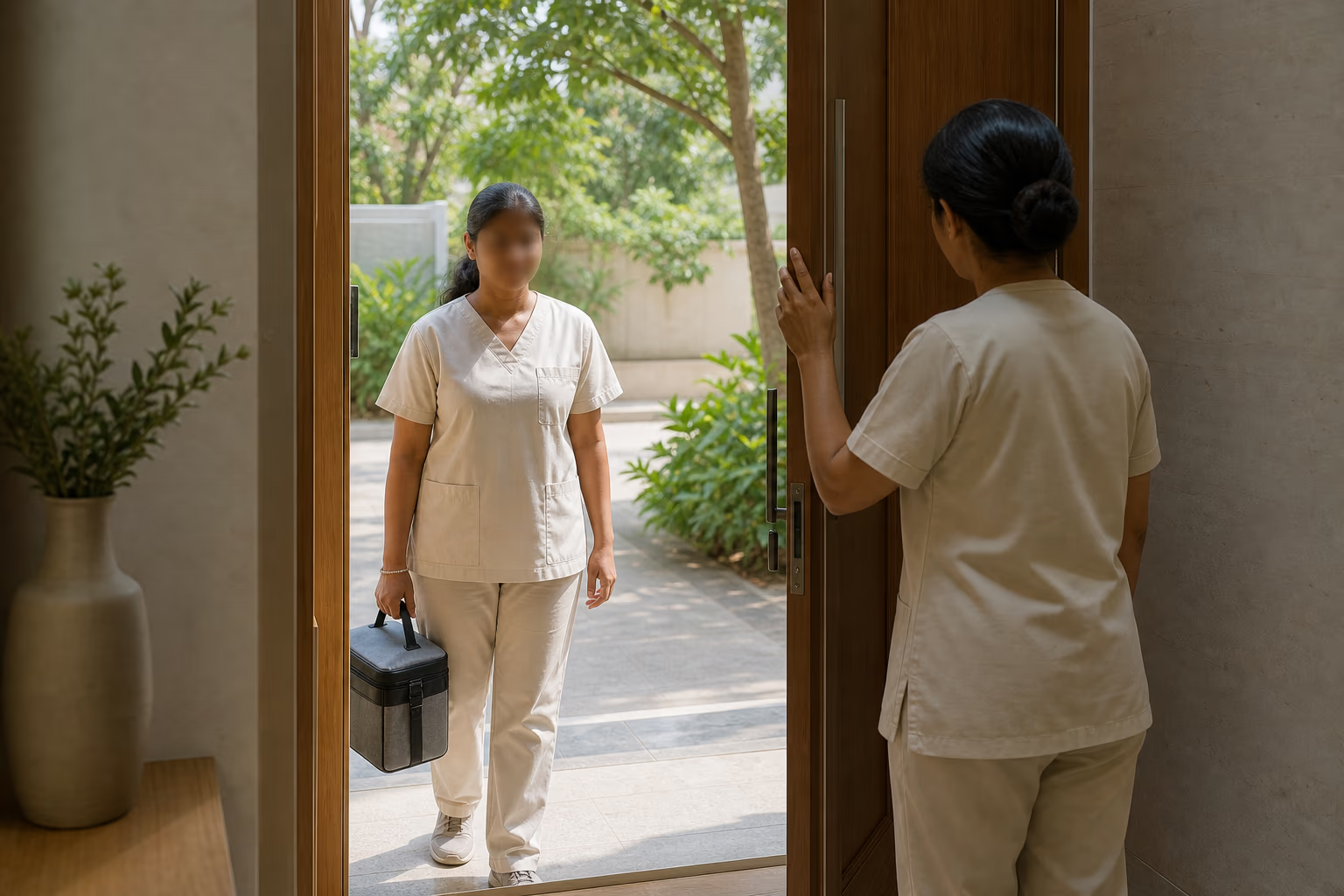
07At the door
- Home phlebotomy
- Point-of-care tests
- Imaging with transport arranged

Recovery, watched quietly.
The useful signal is never one strange reading. It is a change from your own pattern, spotted early enough that a person still has choices.
The model may prioritise it. A person decides the next action.
- 01Learn your normal
We build your own baseline from the instruments in your house.
- 02Notice when it moves
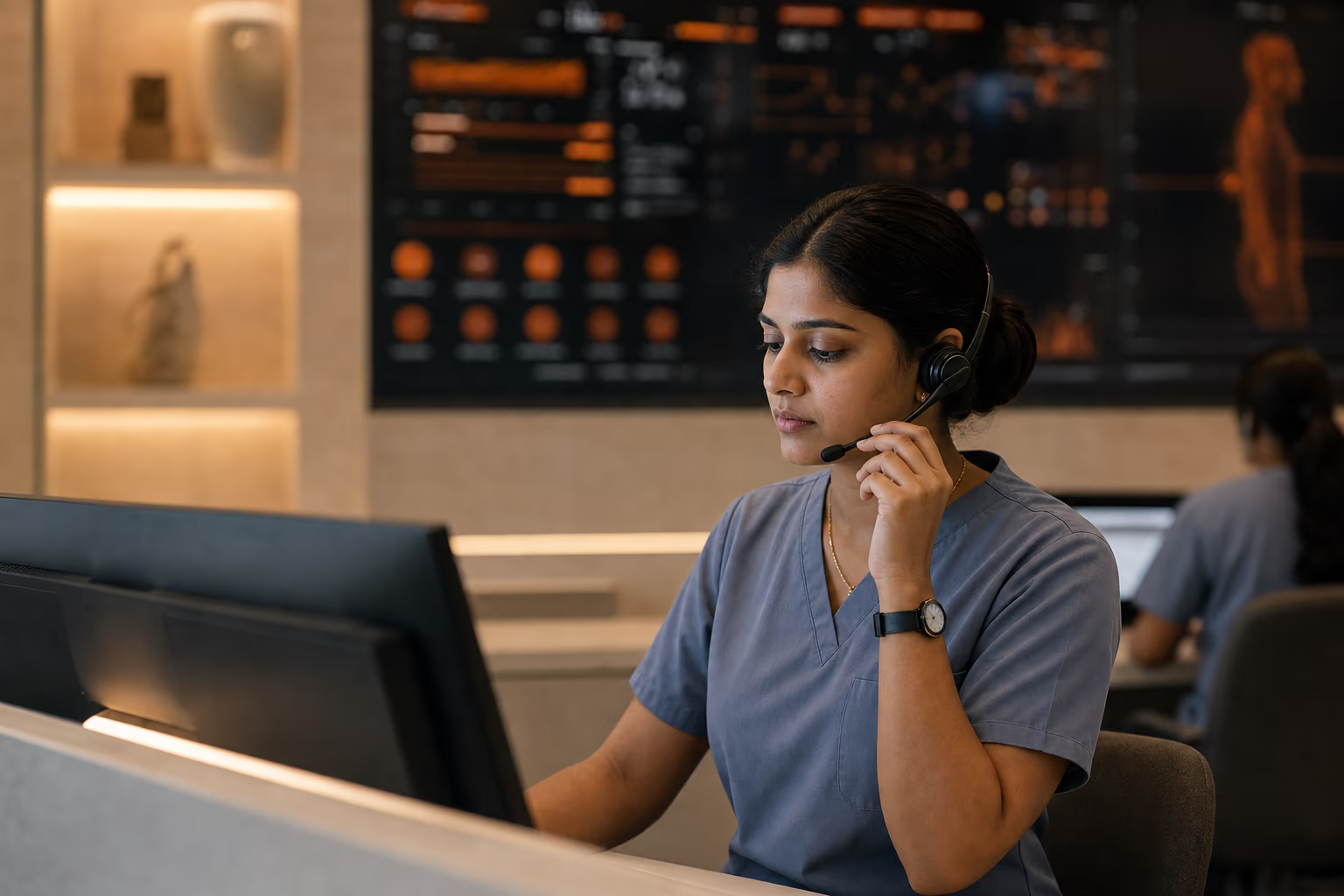
A change we have defined in advance gets pushed to the clinical desk.
- 03Hand it to a person
A nurse reads what is going on. Your named doctor decides whether it escalates.
An alert isn’t help. Here’s what happens next.
It is not finished until it is closed in your record.
- 01HomeSomething changes
- 02The deskA person reads it
- 03Your doctorOne person decides
- 04AristionCome in, if you need to
- 05RecordWritten down and closed
One relationship. Four shapes it takes.
01ContinuumOne person
Instruments at home, continuous monitoring, the clinical desk, an annual assessment and one named doctor.
02Continuum FamilyUp to six
Adults, elders and children — each with their own consent settings.
03Continuum CareSomeone who needs looking after
Attendant coordination, hospital at home, advance planning, and escalation into intensive care when it is needed.
04Continuum at TelomeraTelomera members
The three-day assessment replaces the annual one, and the Telomera faculty runs the desk.
The point is to need us less.
Find out earlier. Come in only when coming in is genuinely the right answer.
Discuss Continuum