Six ideas.Every decisionanswers to them.
Not values on a wall. Six tests anything has to pass to become part of Aristion.
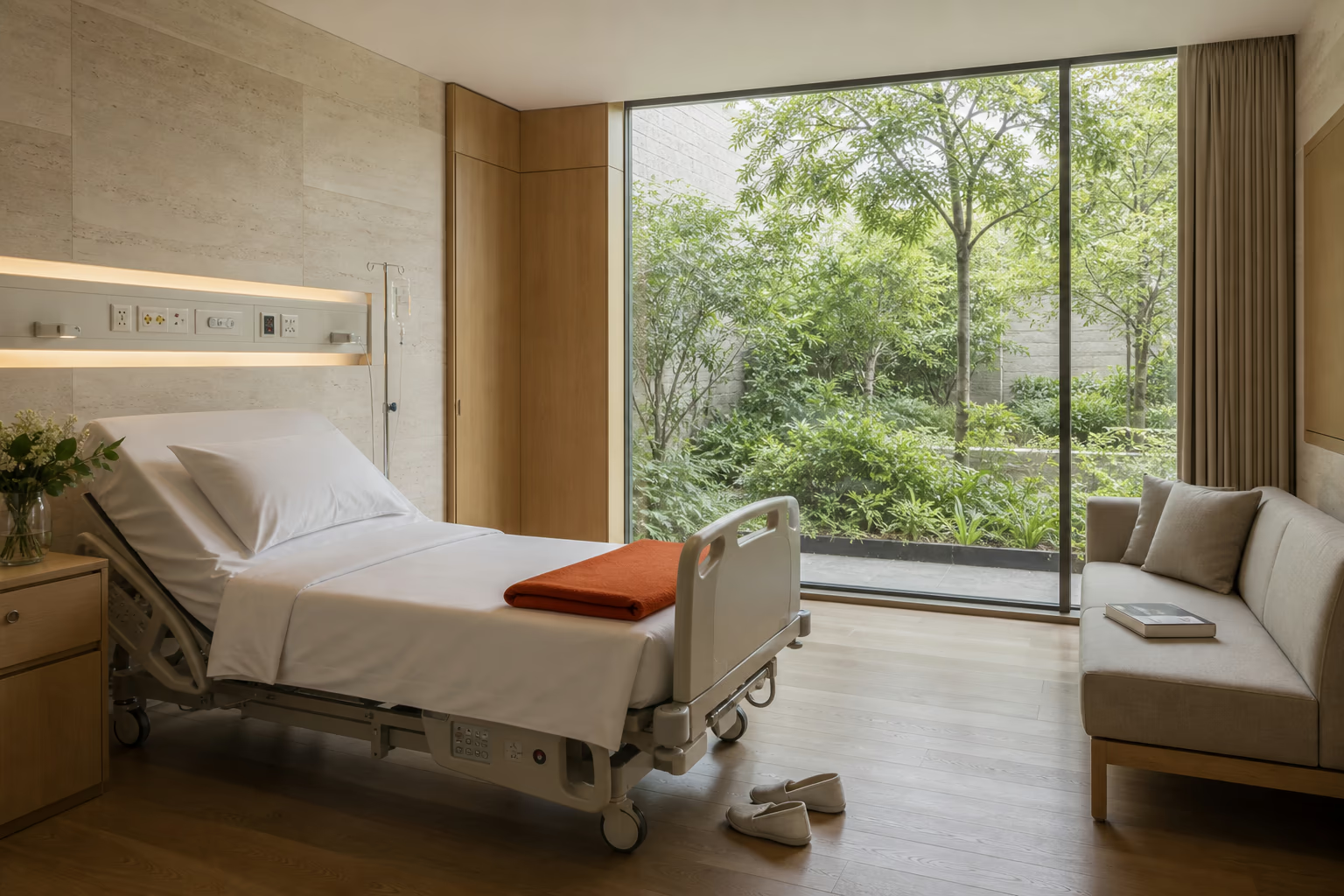
Prevention
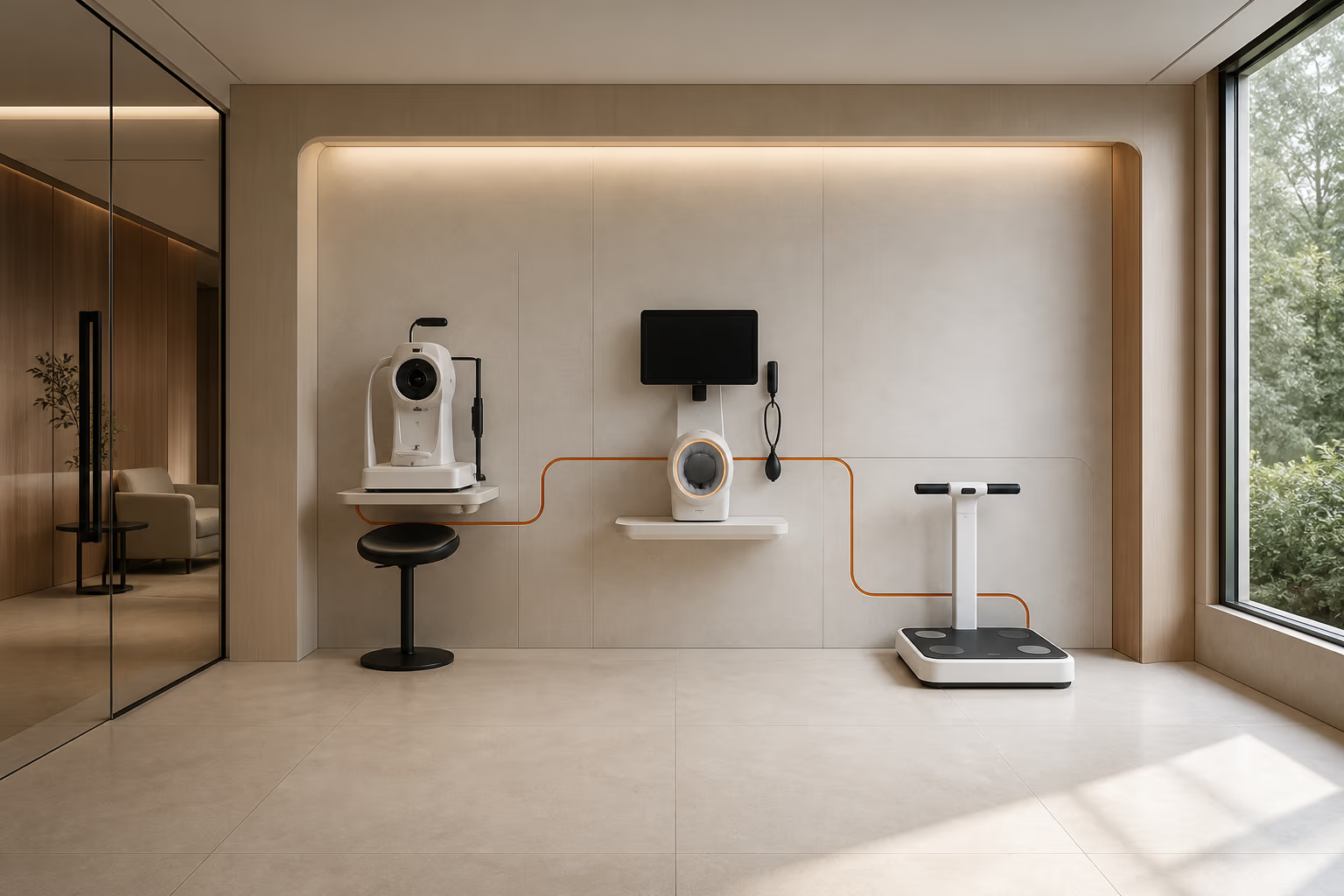
A clinical department, not a screening menu.
Medicine has organised itself around the moment you become a patient. Almost everything valuable happens before that. Here, prevention is a department with its own consultants — not a package sold at reception.
Proactive
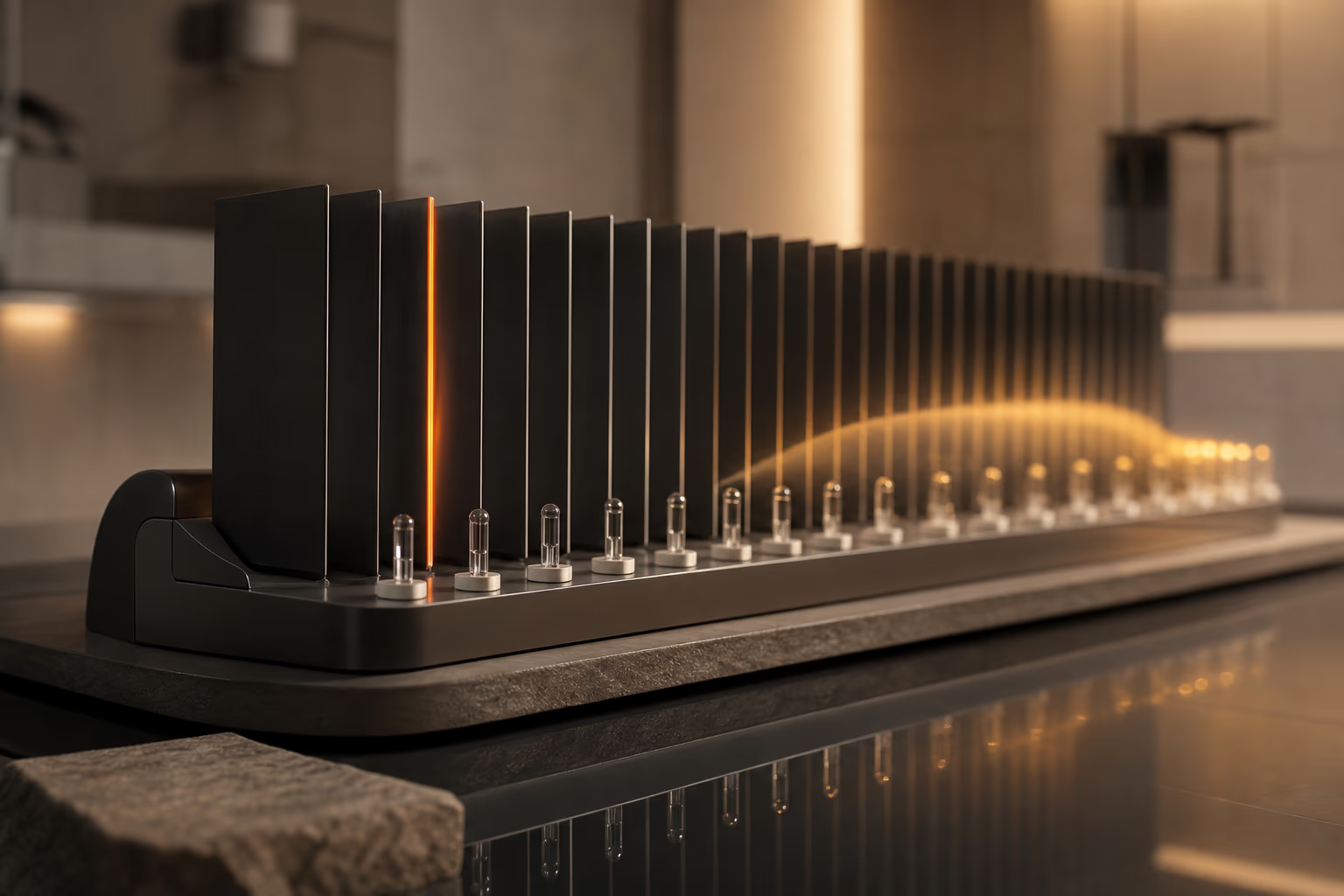
A symptom is a late notification. We watch for the change instead.
By the time you feel something, you have been ill for a while. If a hospital already holds your baseline and watches for movement away from it, the first call can come from us — while the options are still wide open.
Personalised
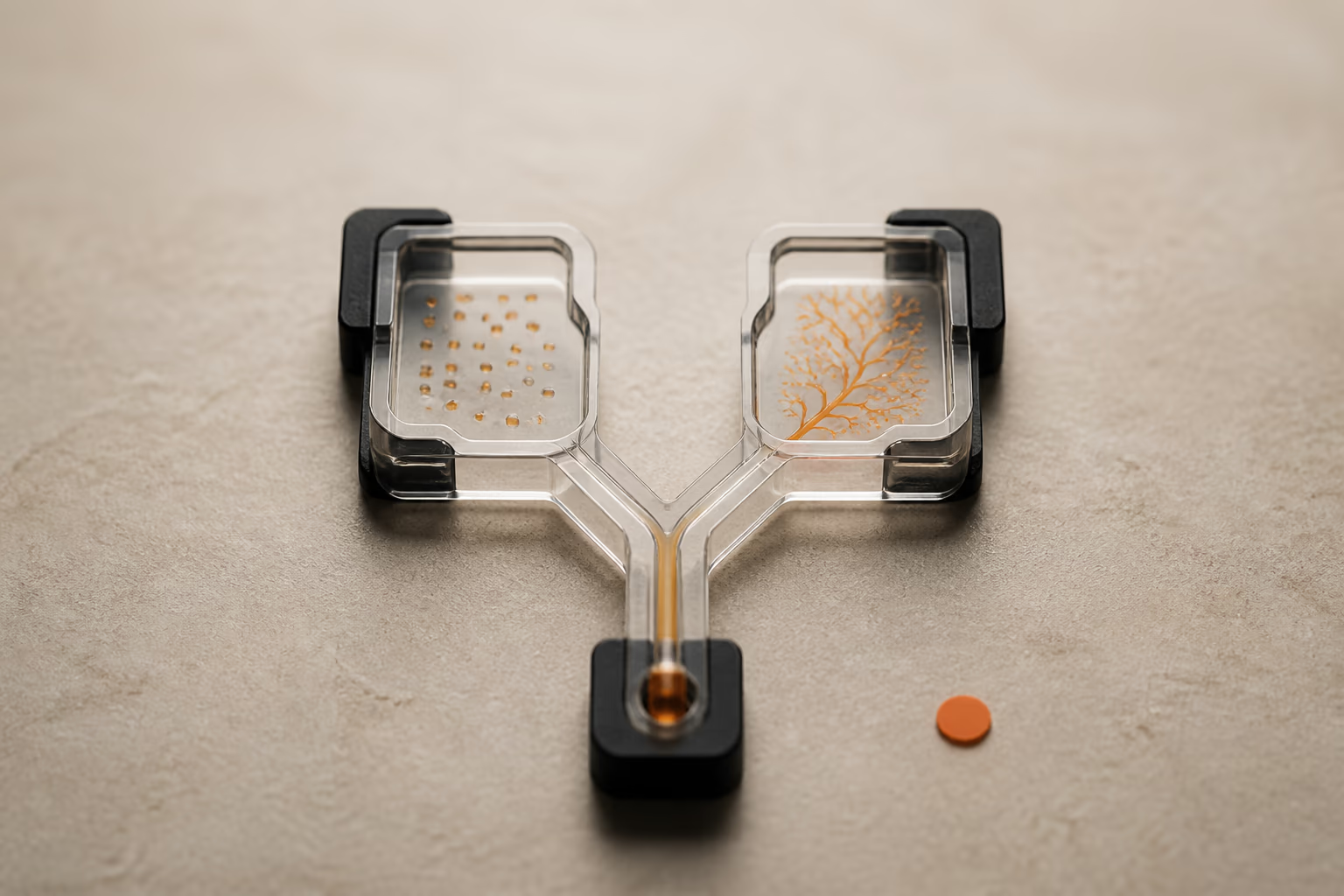
Built from your biology, not from the average of a thousand strangers.
Two people with the same diagnosis on paper can have tumours that behave nothing alike. Molecular tumour boards, radiogenomics and vaccines made from your own tumour's signature move the decision from the average patient to the actual one.
Precision
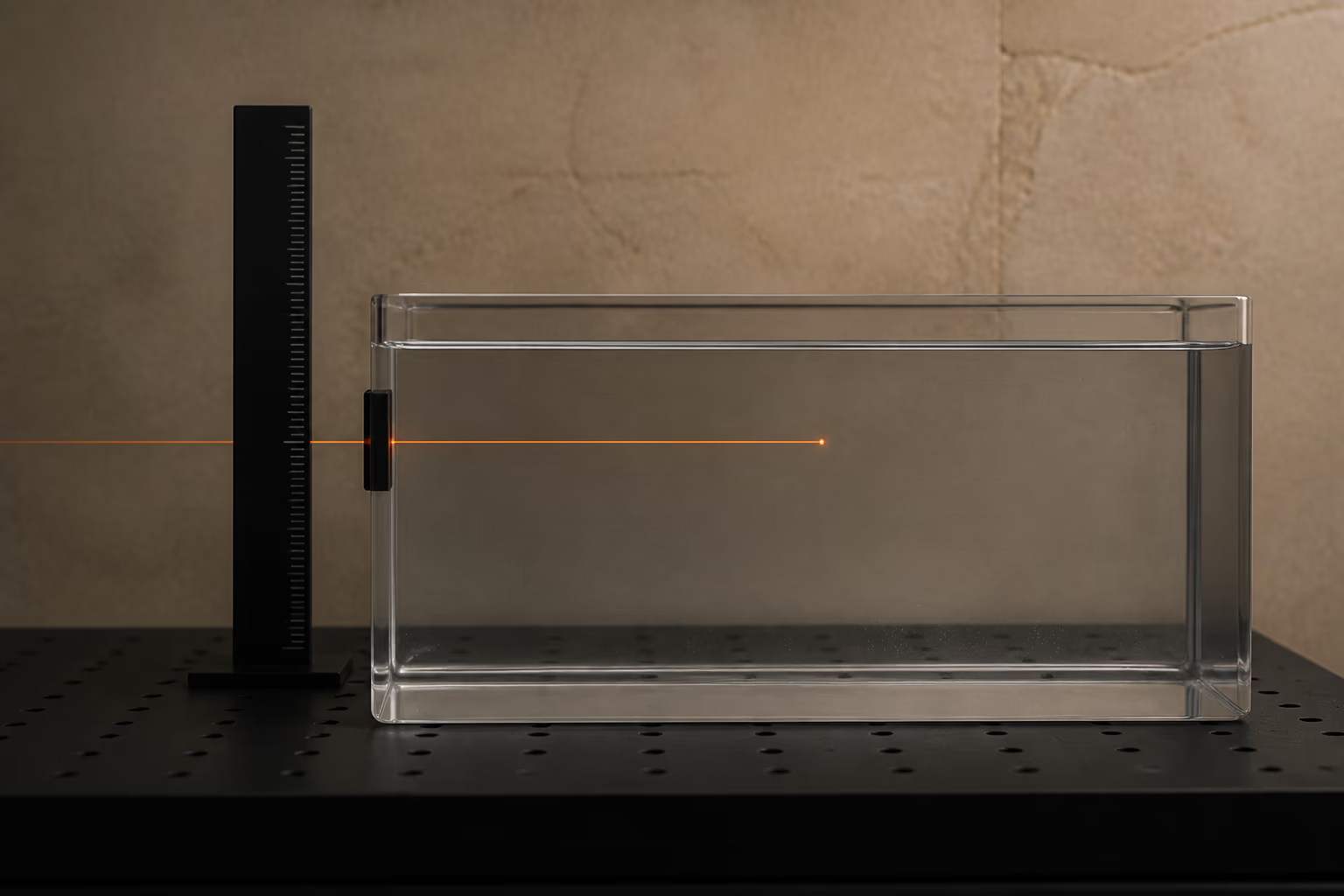
If it can't be measured, audited and published, it isn't precision. It's marketing.
Precision is claimed everywhere and measured almost nowhere. Ours is specific: a beam that stops at a chosen depth, a plan rehearsed on a computer model of you, and an adaptation signed by a named physicist every time your anatomy moves.
Predictive
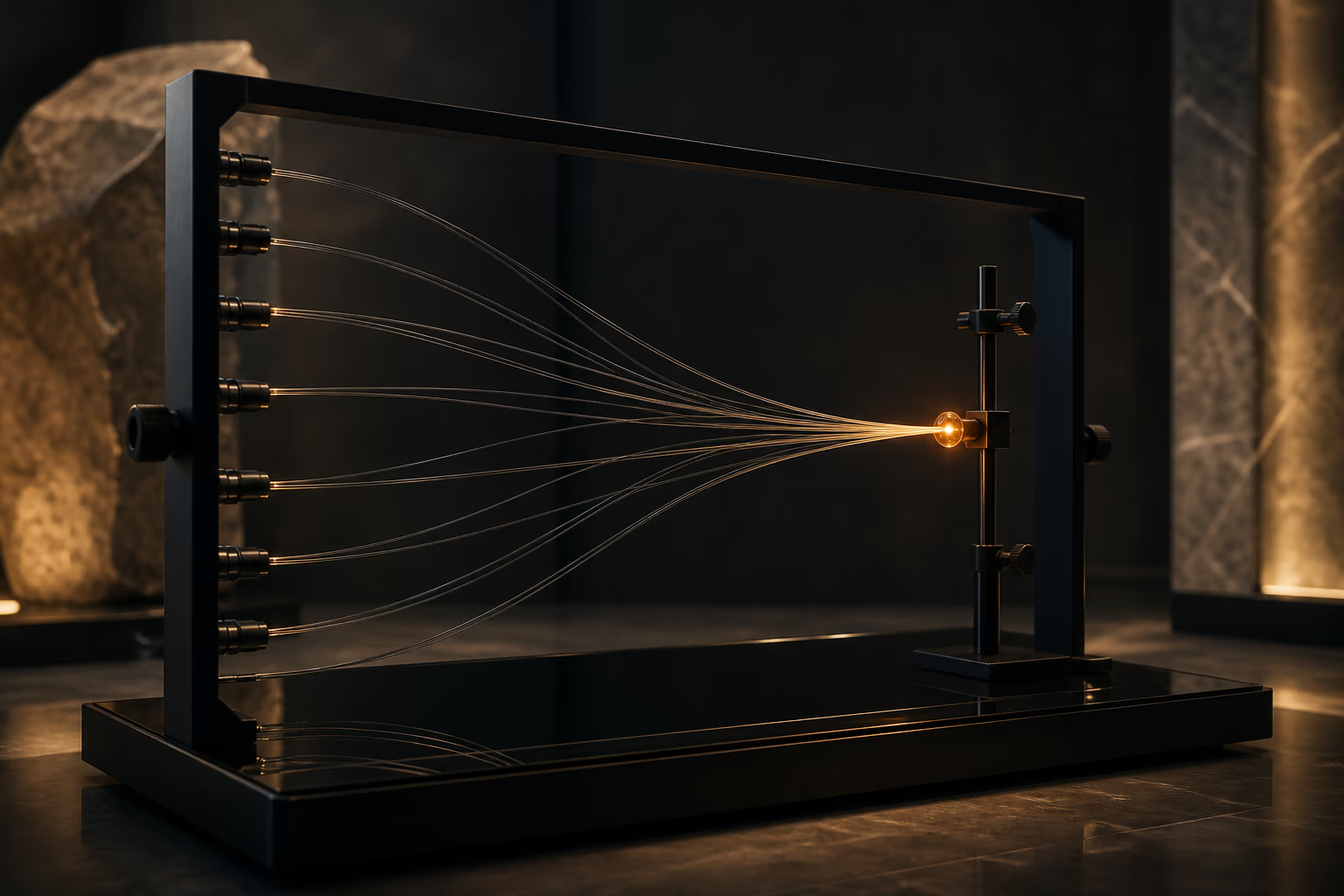
Early enough to change the outcome — which gives a clinician more time, not less.
Most of what goes wrong announces itself hours or days in advance, in signals too small for a person to catch between rounds. Prediction is useful precisely because it hands a human being more time to act.
Proton
The other five are things most hospitals would like to do. This is the machine that makes them possible.
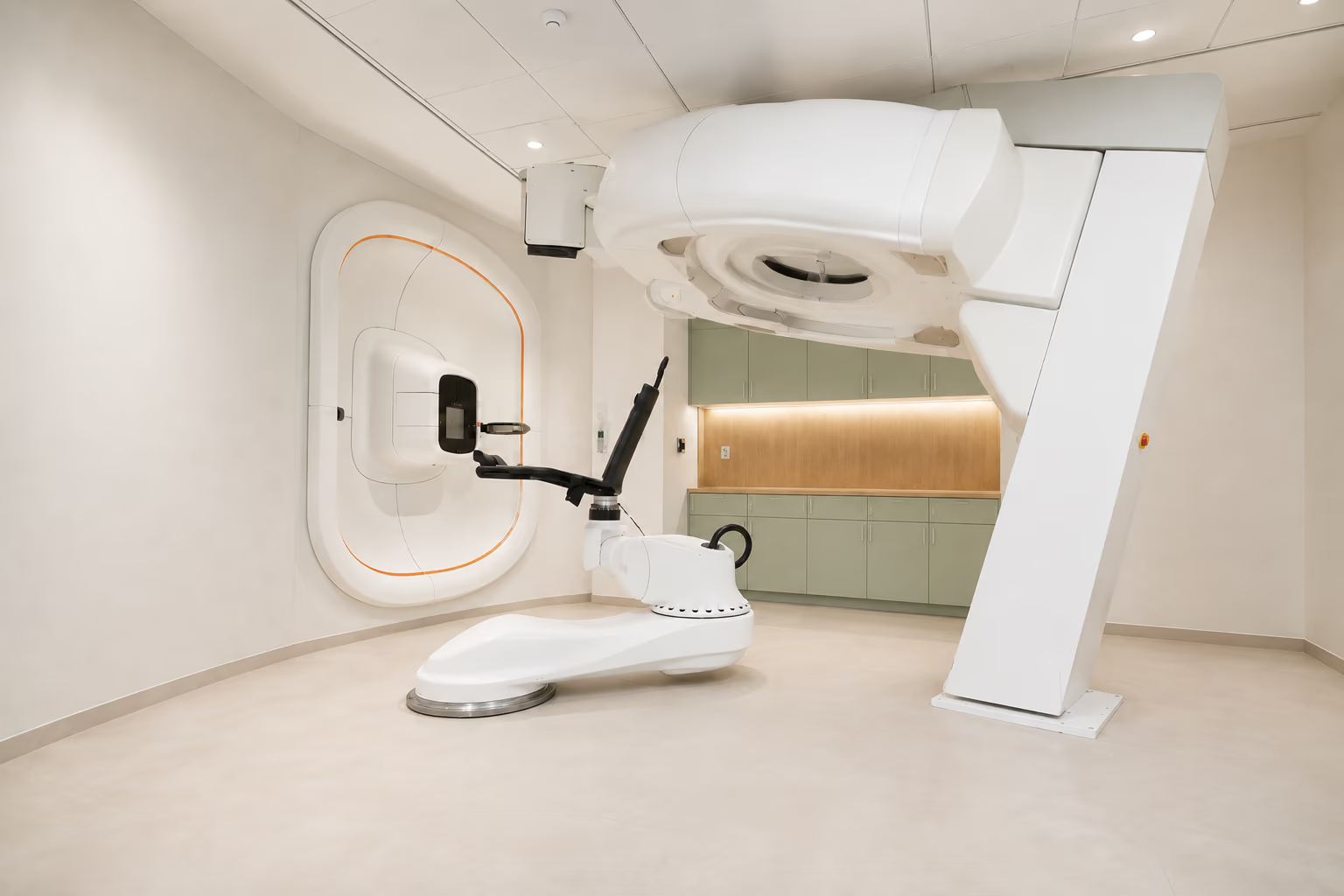
The first five are ambitions almost every hospital shares and few can act on — acting on them takes an instrument precise enough to be worth planning around. Proton is that instrument. That is why it sits at the centre of the campus, and last on this list.
Six ideas are easy.The instrument is not.
A principle you can't point at in real, scheduled care is not a principle. It's a slogan. Here is where these six become a building.