Brain and spine
The brainstem runs your breathing and your heartbeat. There is no spare one.
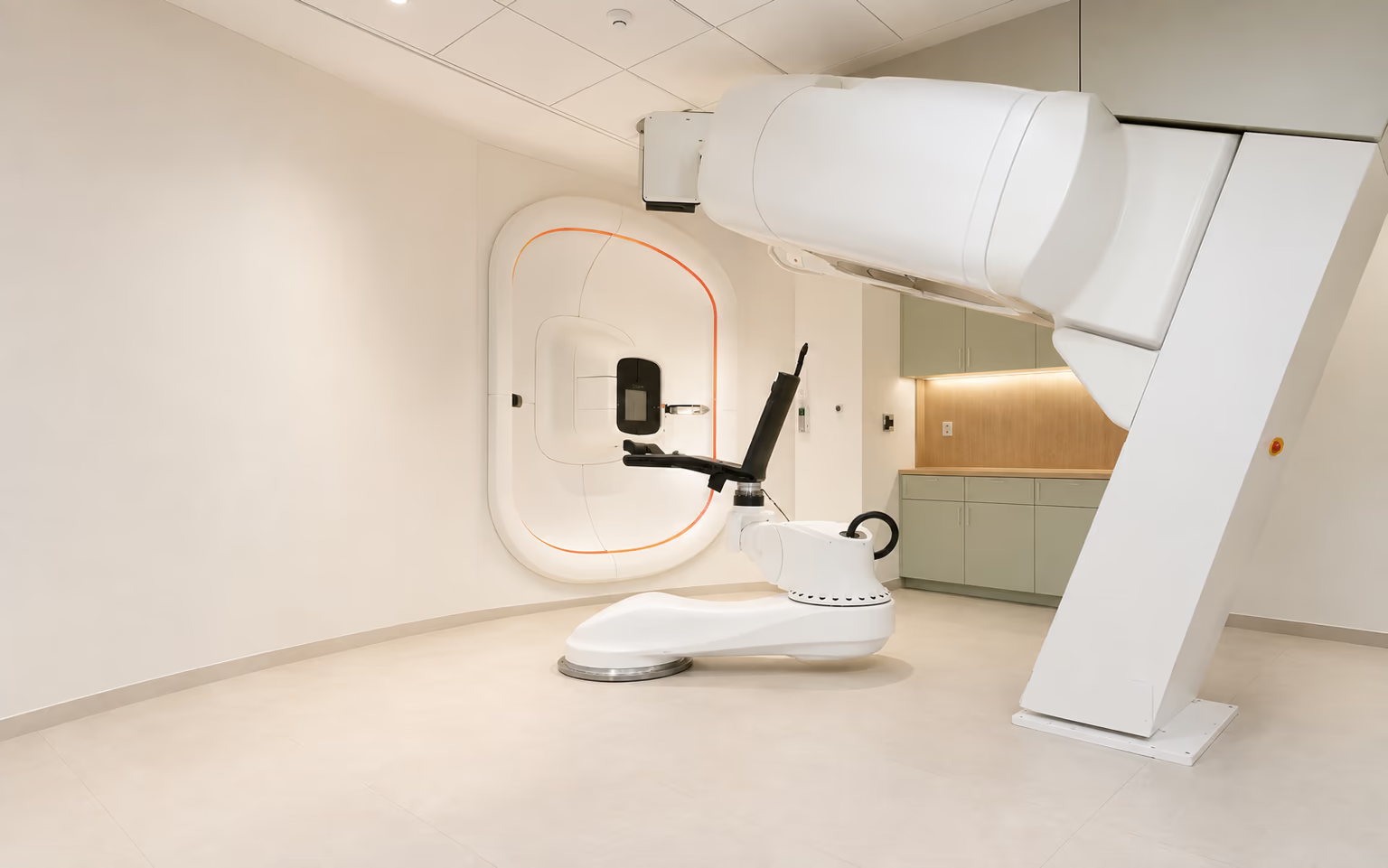
Nearly every radiation machine makes you lie flat inside a tunnel. Ours lets you sit up.
Standard radiation can mean thirty visits over six weeks. For some cancers the same treatment can be delivered in five — sometimes fewer.
Whether that's you depends on where the tumour is, how much it moves when you breathe, what's sitting next to it, and what treatment you've already had.
5Treatment visits
30Weekday visits · six weeks
This isn't a shortcut, and we won't sell it as one. If five visits isn't as safe as thirty, you get thirty.
Sometimes clearly yes. Sometimes it depends. Sometimes no — and you deserve to hear which one before you get on a plane.
These are reasons to have your case looked at, not a promise you'll be treated here. A doctor with a name makes the final call.
A proton machine is an expensive thing to keep busy. Which is exactly why we're putting this in writing.
Diagnosis, scans, pathology, and whatever treatment you've already had.
Yours on protons and yours on modern X-ray, side by side, on your own anatomy.
It might be proton. It might be surgery, drugs, a different hospital, or no radiation at all.
Before you travel. Before you pay.
In a normal proton room a machine the size of a house rotates around you. Here the beam stays put and a robotic chair turns you into position instead — which is how the whole thing fits into a building this size.
The system is made by P-Cure. It can treat you sitting or lying down, scan you in the exact position you'll be treated in, and flag it when your body has changed enough to need a new plan.
Your team chooses whichever is safer for your plan. If you're in pain, short of breath, or you've ever panicked inside a scanner, sitting up changes the whole day.
A scan in the chair, every session, before anything switches on.
Bodies change during treatment. When yours does, a physicist redoes the maths and signs it off.
These are P-Cure's own documents. They describe what the system is built to do — not what we've done with it, which so far is nothing.
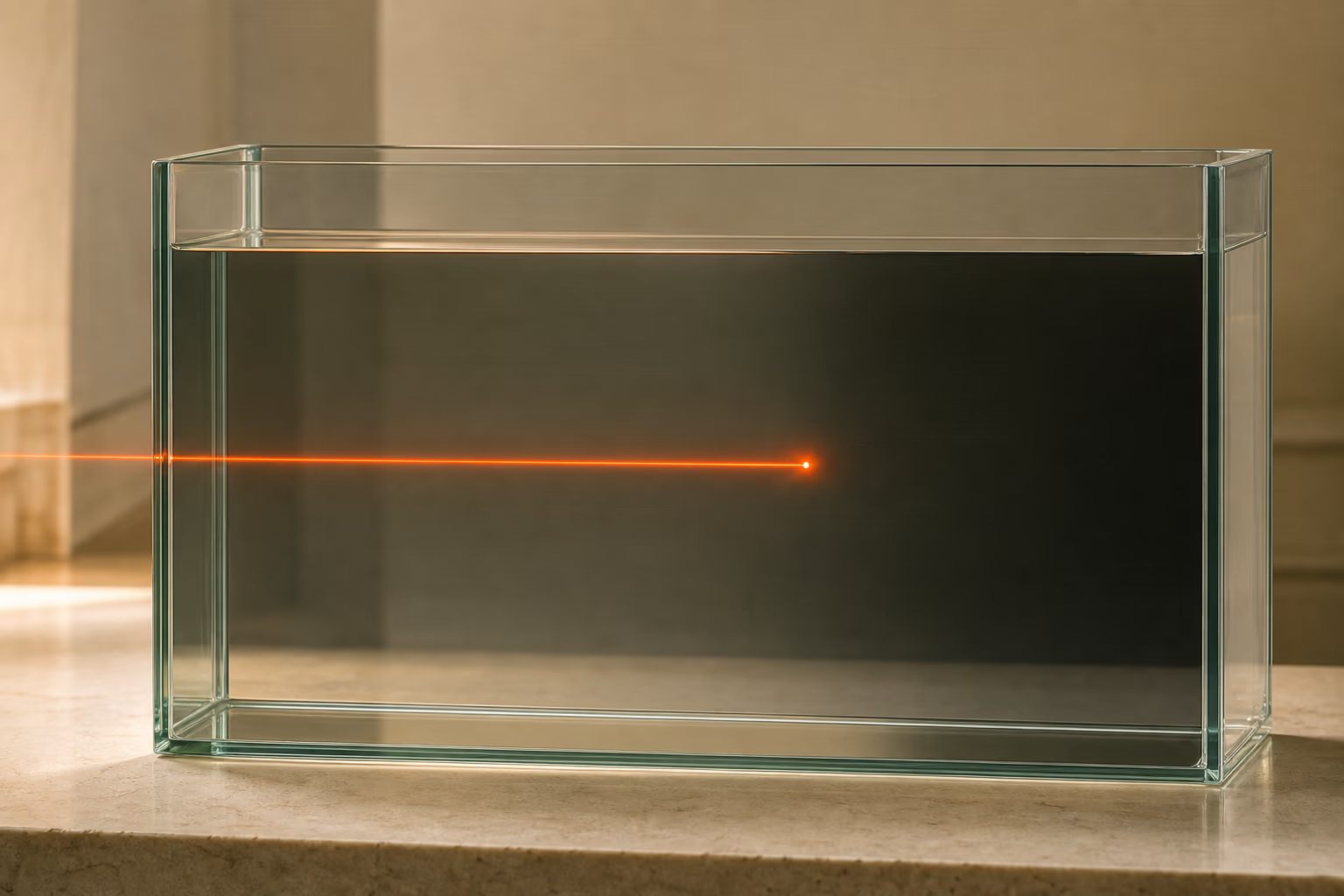
An X-ray beam gives up its energy the whole way through you: going in, at the tumour, and out the back.
A proton beam saves most of its energy for one depth, delivers it there, and stops. Behind that point, almost nothing.
The tissue behind your tumour is the tissue you get to keep.
William Bragg worked this out in 1904. The first patient was treated in 1954. None of this is experimental.
Which matters most when something you can't replace is sitting right next to the target.
The brainstem runs your breathing and your heartbeat. There is no spare one.
A few millimetres decide whether you keep your sight.
Salivary glands and swallowing muscles. Lose these and eating stops being ordinary.
A child treated at six has seventy years of tissue ahead of them.
Tumours shrink. You lose weight. Organs shift. Six weeks is a long time in a body.
So we scan you in the treatment position at every session, and hold today's anatomy against the plan we approved.
If it's drifted enough to matter, your oncologist and a physicist rebuild the plan before the beam turns on.
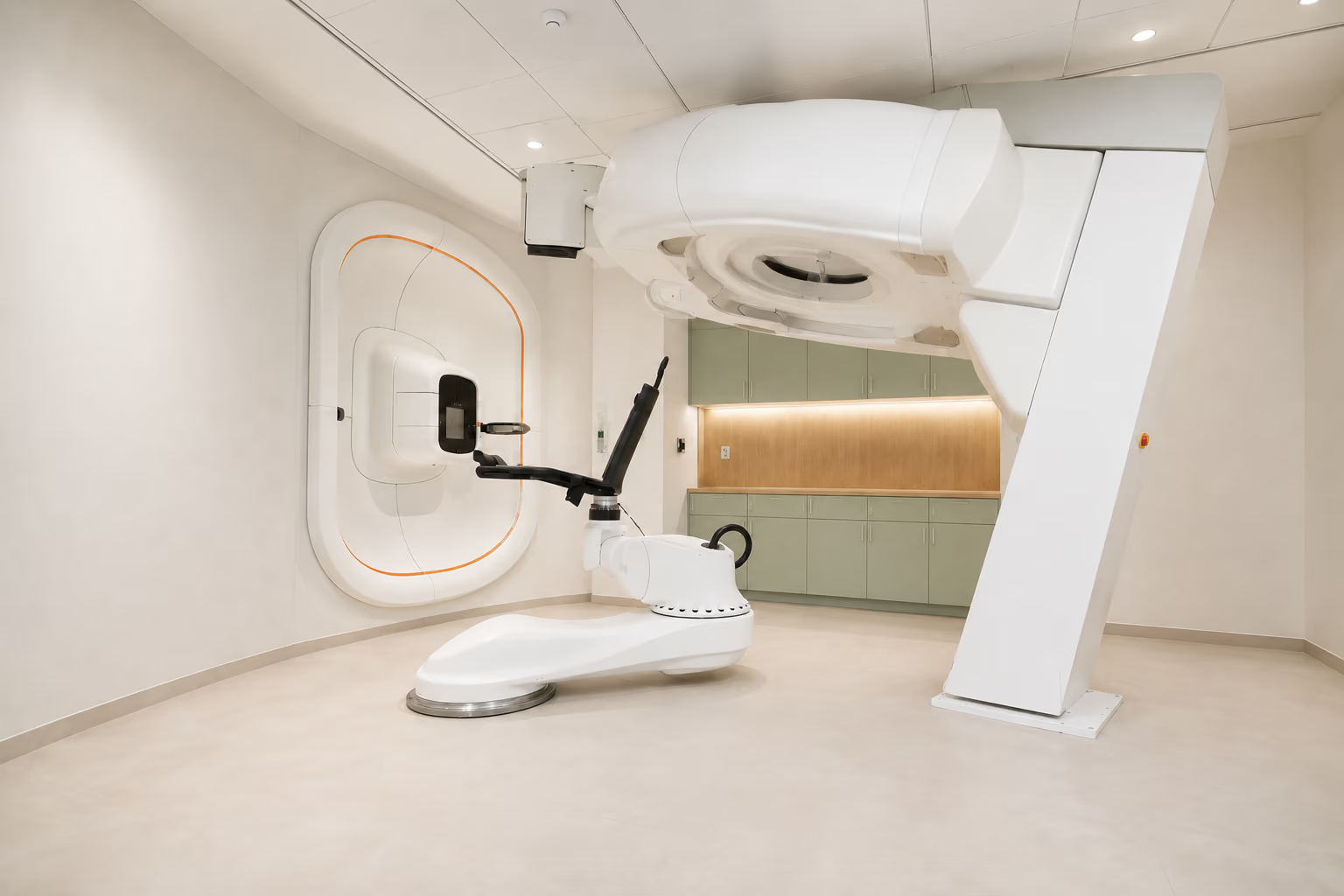
The machine measures. People decide.
We capture your anatomy at the treatment machine.
Today's scan is held against the plan we approved.
A medical physicist reviews and signs any change.
Tell us the diagnosis, the treatment you're on, and the one thing you most want answered. Don't send scans or reports here — we'll explain the secure way to do that.